
Victor van Hees
Victor is a avid lover of gourmand and joie-de-vivre. Having travelled across Asia, he fell in love with the vast diversity of Asian food, and has made it his lifelong goal to disseminate this love to as many communities as possible.
Located on the eastern edge of the Asian continent, Korea is a fascinating country with a lively culture and diverse cuisine, offering some of the best dishes in the world. In recent years, with the upswing in interest in Korean cultural products, as well as the Hallyu wave, Korean foods have gone international, stealing the hearts of hundreds of thousands of youths across the globe. These new changes have also conversely affected Korean cuisine in numerous ways, spawning new tastes and flavours that are taking Seoul by storm. This article will explore how Korean cuisines have changed over time, as well as some staples of the new Korean cuisine.
The first humans settled in the Korean peninsula as early as circa 8000 BCE, constituting an era that historians called the Jeulmun Pottery Era. As with most of humanity at around the same time period, the ancient Koreans were predominantly hunter-gatherers who maintained a nomadic lifestyle. Thus, their diet would consist primarily of hunted game, fruits, and foraged vegetables.
Large-scale agriculture would arrive at the Korean Peninsula in the latter half of the 2nd millennium BCE. The staple crops of the era included barley, millet, rice, and other legumes, thus enriching the Koreans’ diet with stable sources of carbohydrates. There is also archaeological evidence of fermented beans from the era, perhaps as the precursor of the future tradition of kimchi-making.
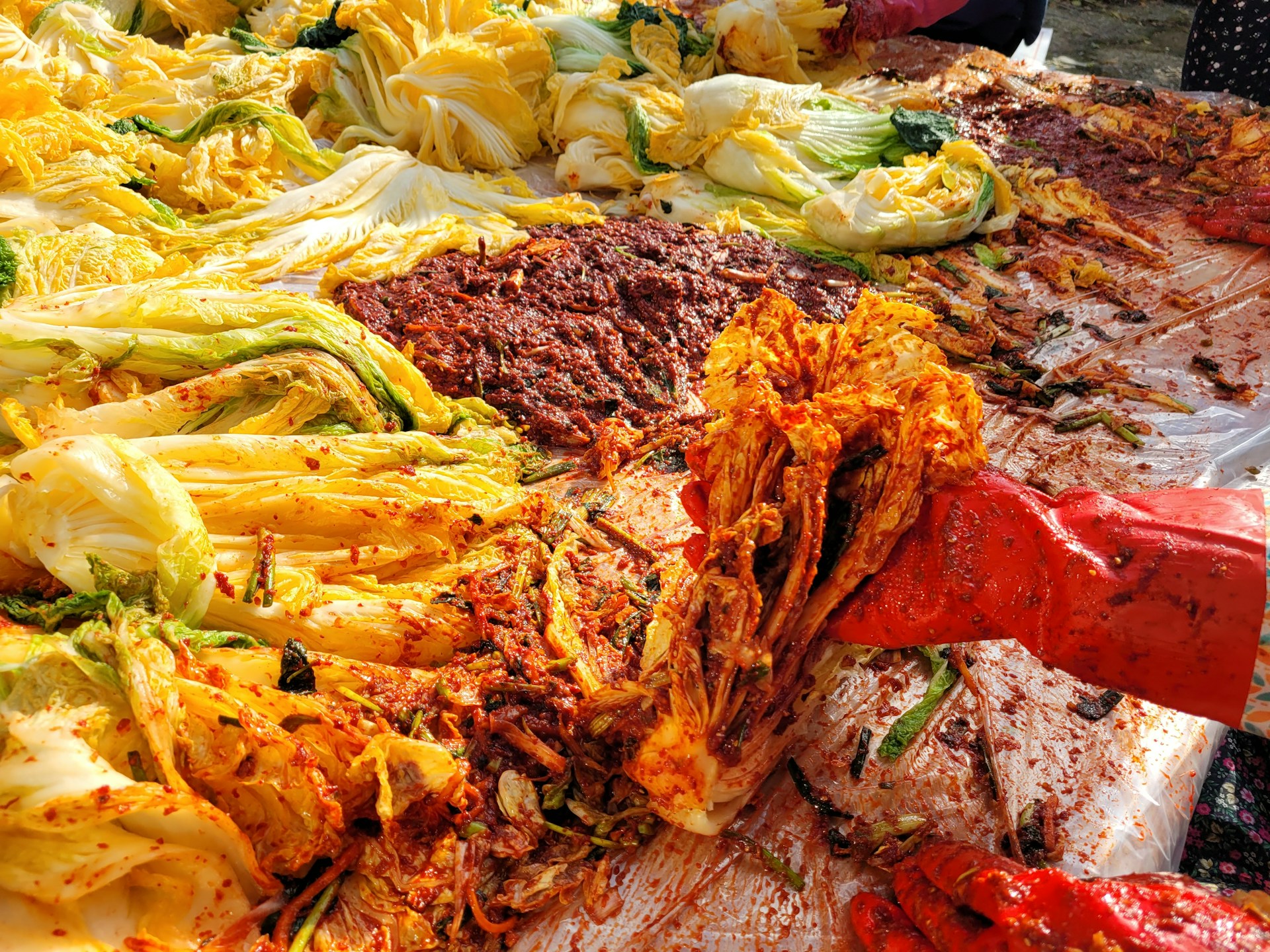
After the technological advancements of the Iron Age in Korea came the Three Kingdoms Era, a period of strife but also rapid cultural evolution on the Korean Peninsula. Due to their unique geographical location within the peninsula itself, each of the aforementioned Three Kingdoms would have its own distinct cuisine. The northern Goguryeo Kingdom spread across the vast inland areas of the peninsula, blessing it with plenty of arable land. Thus, it was here that the earliest kimchi was found. The southern Baekje Kingdom, meanwhile, was popular for cold dishes and a wider variety of fermented food. Finally, the Silla Kingdom in the east was a predominantly Buddhist kingdom. Thus, their diet featured simpler seafood dishes with rice and seasoned greens, reflecting this belief.
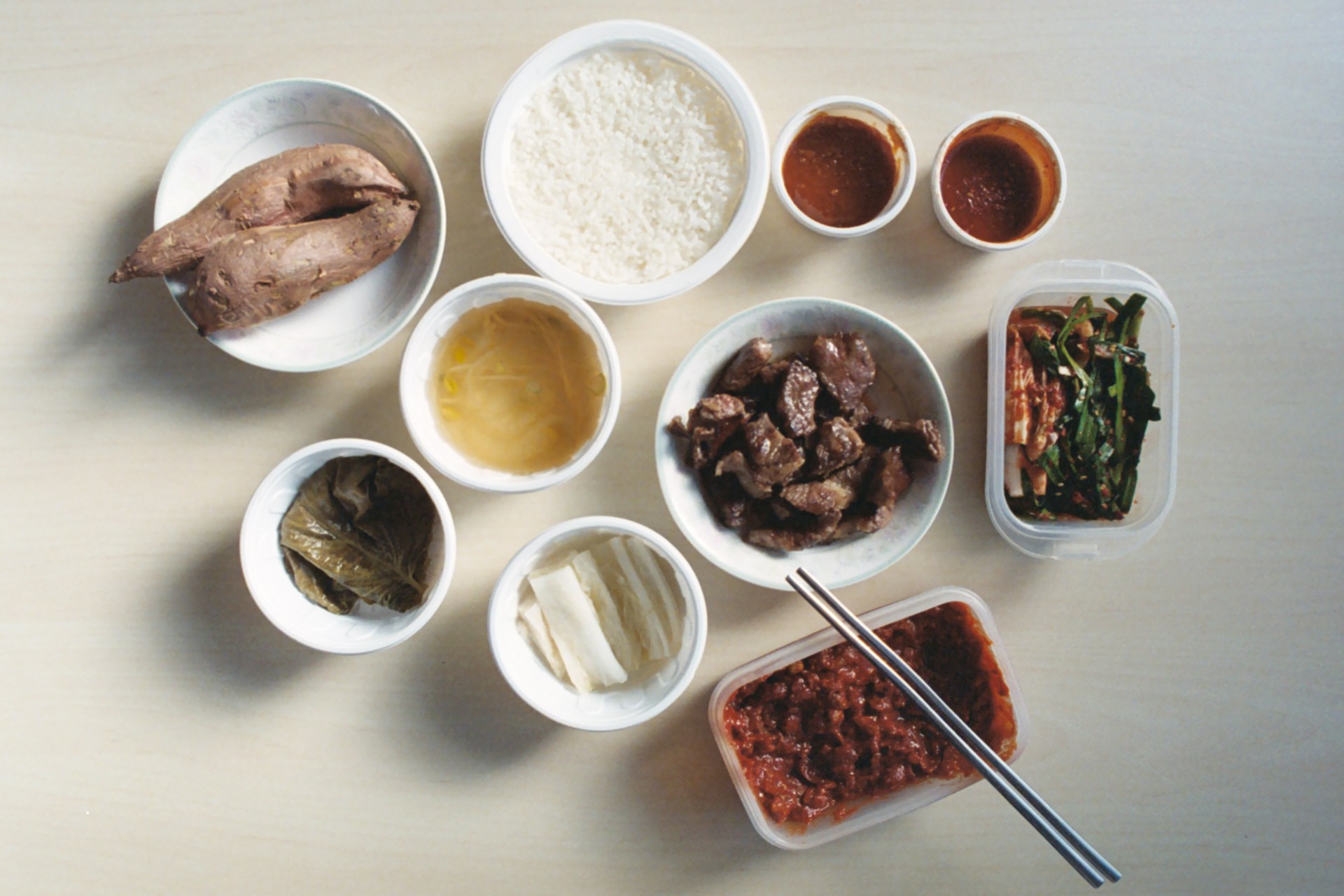
The Goryeo period of Korean history has left many indelible marks on Korean cuisine as a whole. Marked by increased cultural exchanges with the northern nomadic tribes and the Tang dynasty, the era saw new inventions that would be quite familiar to the modern audience today: The delicious mandu dumplings, noodle dishes, and the ever-popular bulgogi dishes. Of particular note is the more prominent presence of spices and seasonings, indicating a trade boom in the region.
The Joseon Kingdom is the longest-lasting kingdom in the history of Korea, and Korean cuisine as it is known today was largely defined by this period. This is an era marked by even more cultural exchanges, particularly with the West. Thus, the average Korean diet saw the emergence of Western crops like potatoes, sweet potatoes, chili peppers, and squashes.
The Joseon Period also saw agricultural advances that led to surpluses, which enabled the commoners to replicate some parts of the elaborate meals enjoyed by the aristocracy.
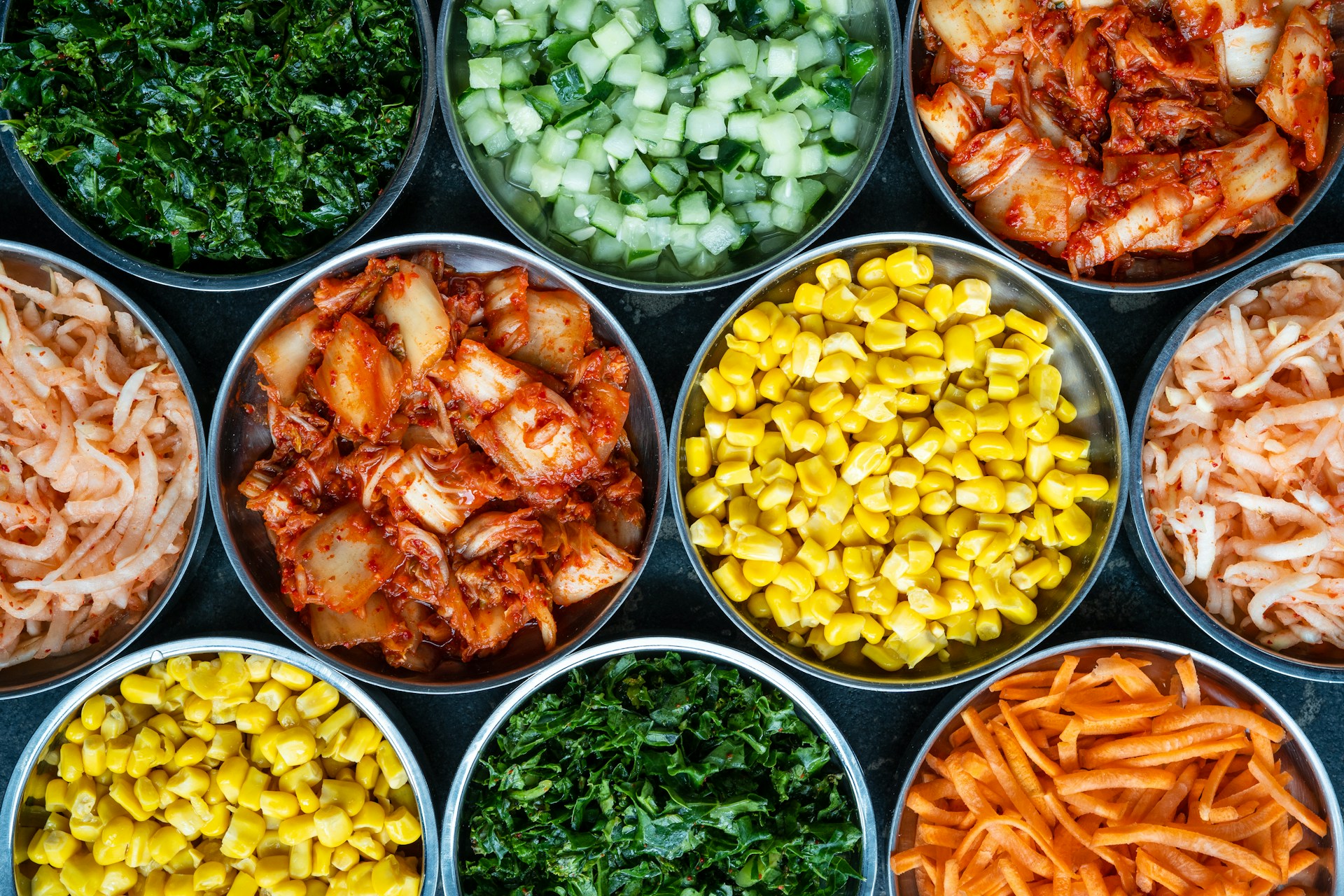
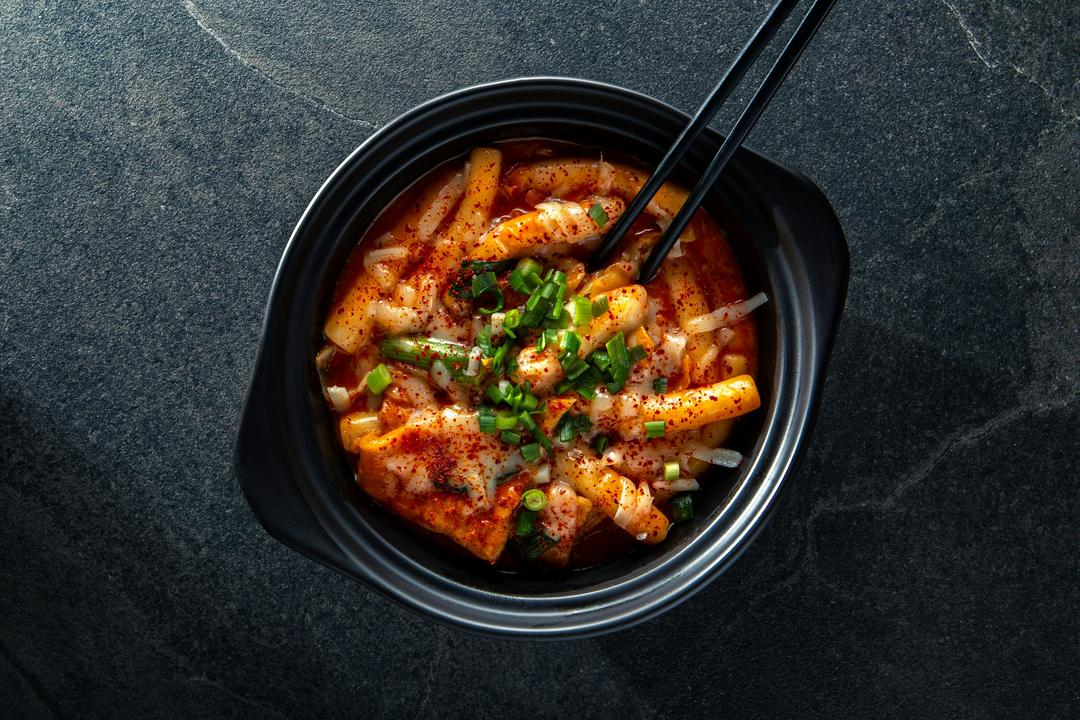
The 20th and 21st centuries brought about seismic changes to Korean society and Korean cuisine in particular. After World War II, Korea was split into North and South Korea, each with its own cultural development path. South Korea faced constant shortages after the war, and Korean families had to scrape by with whatever ingredients they could get, which included Spam canned meat, sausages, and American cheese, all of which were mostly surpluses from local US military bases. They would make stews with inexpensive traditional Korean ingredients, and then add in these new Western products, creating an entirely new dish called the Budae-jjigae, otherwise known as the army stew. Even though the dish was born out of the hardship and ingenuity of South Koreans, it holds an endearing place in the hearts of many Koreans.
During the rapid industrialization period of South Korea, the country’s agricultural outputs were vastly improved, and livestock as well as dairy production saw massive leaps. These diversification efforts have had profound effects on the average Korean diet: Koreans began to consume a lot more meat, particularly pork belly, which was not considered a desirable cut. Thus, Korean BBQ culture boomed during the era, paving the way for the iconic Korean BBQ restaurants in the modern era.
At the dawn of the 21st century, South Korea experienced a renewed global interest in Korean culture, which was called the Hallyu. This cultural renaissance extended towards culinary arts as well, as the period brought about numerous iconic foods that are still popular today, thanks in part to the rise of the Internet and pop culture. Among the most impactful newcomers are the potato twists, which feature fried potato twisting around a skewer and then flavoured with either paprika or powdered cheese. Playful, convenient, and still paying homage to the traditions, the Potato Twists are the epitomic flavours of modern South Korea, flavours nurtured not only by love and passion but also by the unstoppable spirit of innovation.
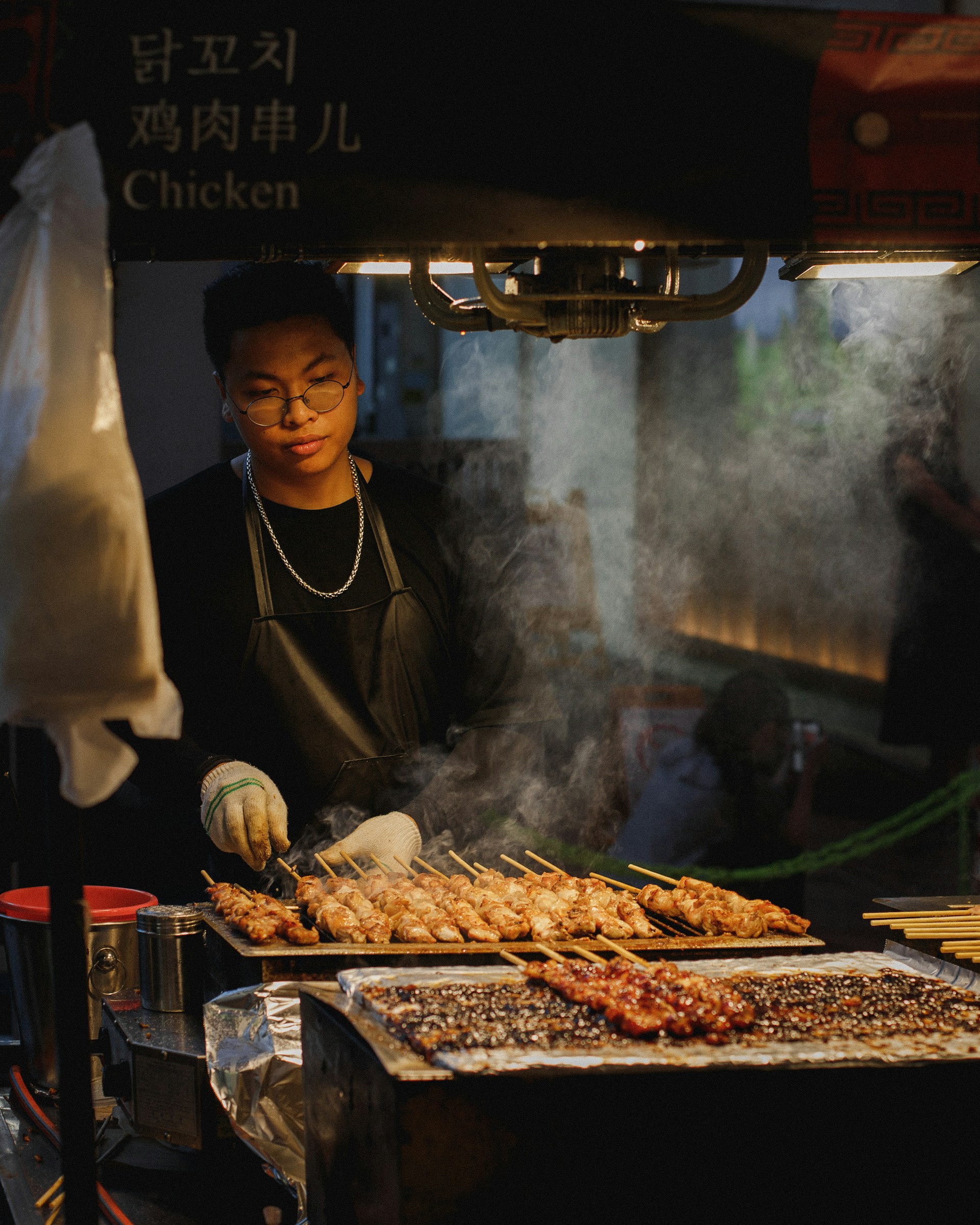
With over hundreds of years of history, Korean cuisine is a national treasure that encapsulates the magic and the human ingenuity of the native Koreans. Though hundreds of years have passed, the essence of Korean foods, that is, the meticulous preparations and the hand-picked ingredients, is still vividly present in the modern flavours of Korea, enabling the entire world to savour its wonderful magic.

Belgium Address
food-expert@food-expert.com
Vietnam
Germany